
¿Qué es el monohidrato de creatina?
Hoy hablamos de un suplemento como la creatina. Probablemente hayas oído hablar de ella a menudo; quizá el tema ya te resulte «demasiado conocido», pero hoy lo analizaremos desde una perspectiva científica: ¿quién necesita realmente creatina y cómo actúa?
Lee el artículo hasta el final y descubrirás cómo tomar creatina de forma adecuada y qué beneficios puede aportarte.


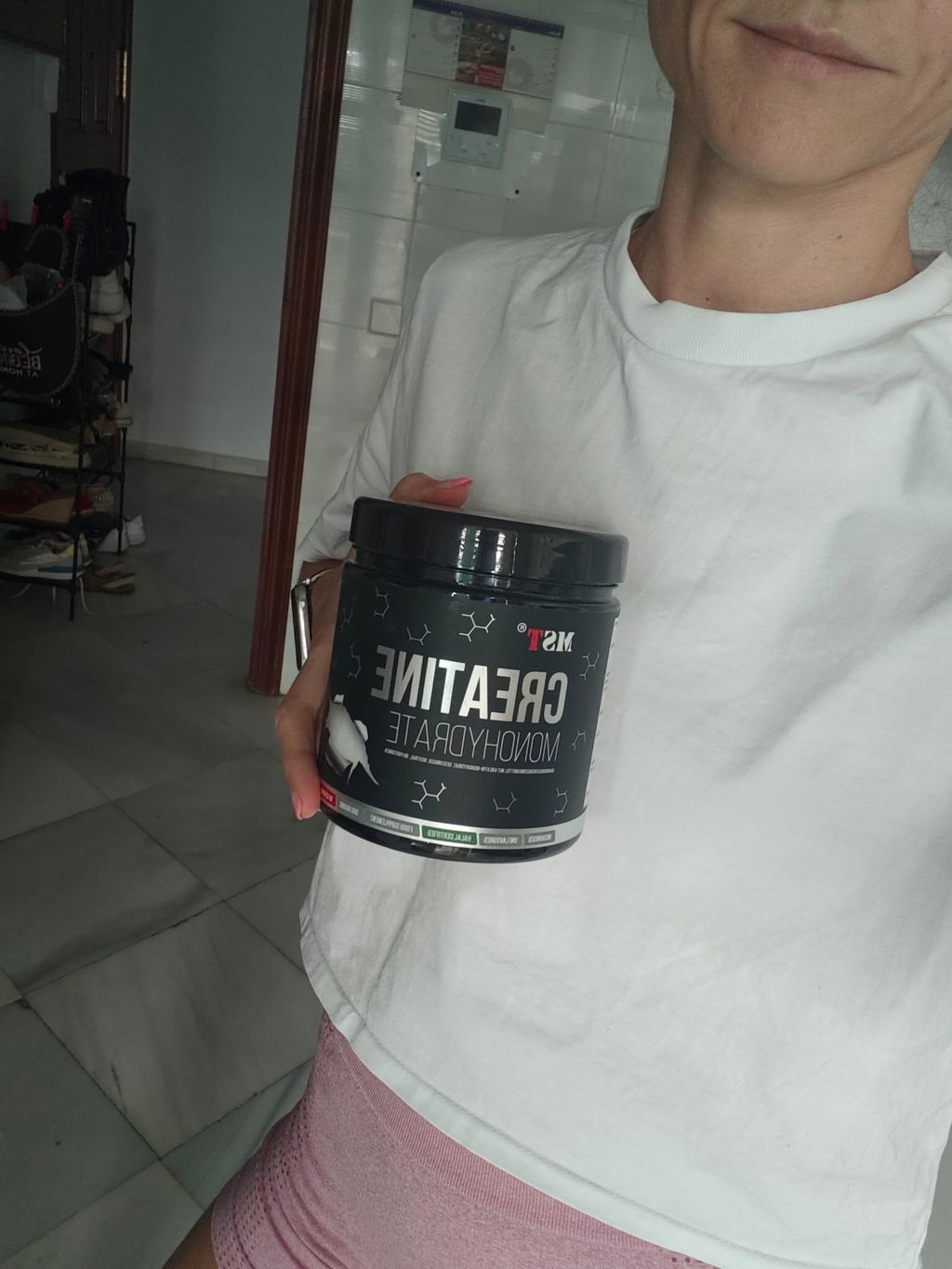
Creatine Pro Creapure® 300 g Neutro


El error más frecuente: uso inadecuado de la creatina
El error más importante de muchas personas que utilizan creatina es el momento inadecuado para usarla. Muchas intentan tomar creatina cuando quieren lograr una «definición» o la consumen como un «producto milagroso» durante el aumento de masa muscular, sin pensar en el objetivo de tomar creatina.
Sí, la creatina puede favorecer procesos relevantes en el contexto deportivo. Puede ayudarte a ganar peso, pero solo si la utilizas correctamente. Tomarla tiene sentido cuando tus objetivos y tu entrenamiento coinciden con las situaciones en las que normalmente se utiliza la creatina.
El efecto puede manifestarse, por ejemplo, en que logres hacer 1-2 repeticiones más que antes cuando entrenas al límite de tu rendimiento (alta intensidad / varias repeticiones). Esto genera más carga para la fibra muscular, posiblemente un mayor estímulo de entrenamiento, más adaptación y, por tanto, más progreso a largo plazo, siempre que el entrenamiento, la alimentación y la recuperación sean adecuados.
Además, la creatina puede ayudarte a recuperarte con mayor facilidad y rapidez. Por eso es importante utilizar la creatina sobre todo cuando entrenas realmente con intensidad y quieres obtener un beneficio concreto de ella.
Estudios y dosis: una valoración prudente
Hay estudios que demuestran que, en investigaciones realizadas durante períodos más largos, también se utilizaron 5 g, 10 g o 15 g al día.
Al mismo tiempo, está claro que en el mundo de los complementos alimenticios suele haber muchos intereses. Por eso, los estudios deben evaluarse críticamente y hay que entender que, para muchas afirmaciones, también puede haber otros estudios con resultados diferentes.

La creatina en los alimentos
La creatina también se encuentra de forma natural en muchos alimentos, sobre todo en:
-
carne roja,
-
pescado rojo,
-
Carne de ave.
VENTAJAS DE LA CREATINA
Hoy examinamos, a modo de tesis (como ideas clave), puntos de artículos especializados y metaanálisis de publicaciones científicas que suelen mencionarse en relación con la creatina.
Ventajas:
-
El monohidrato de creatina se considera una de las sustancias ergogénicas más estudiadas para apoyar la fuerza y el rendimiento en esfuerzos intensos, y puede utilizarse como apoyo para el desarrollo muscular.
-
El monohidrato se utiliza con mucha frecuencia en la nutrición deportiva. En adultos sanos, las cantidades habituales se describen como bien toleradas en numerosos estudios.
-
En la práctica, la creatina también se debate a veces en el contexto de los deportistas jóvenes, entre otras razones porque algunos autores sostienen que el uso de suplementos legales y bien estudiados podría reducir la motivación para recurrir a sustancias más arriesgadas. (Es un debate, no una promesa).
-
A veces también se aborda el uso en adolescentes. Sin embargo, en Alemania se aplica lo siguiente: los menores de edad, por principio, solo deben tomarla tras consultar con un médico o un profesional de la nutrición y con el consentimiento de sus padres. Esta es la recomendación segura y responsable.
A menudo se mencionan las siguientes reglas:
-
los niños y adolescentes solo toman creatina bajo supervisión profesional;
-
siguen una alimentación completa y equilibrada;
-
saben cómo tomar creatina correctamente y no superan las dosis recomendadas.
En algunos productos aparece «no recomendado para menores de 18 años». Esto suele servir como protección legal. Independientemente de ello, la recomendación conservadora en Alemania es: los menores de 18 años solo deben tomarla tras consultar con un médico.
-
Entre los tipos de creatina, el monohidrato de creatina se considera la variante con mayor respaldo científico y más eficaz.
-
A veces se recomienda tomar creatina junto con carbohidratos rápidos.
Sí, tomar monohidrato de creatina con carbohidratos puede favorecer su absorción en la práctica; sin embargo, lo decisivo sigue siendo una ingesta diaria y regular. -
Hay dos modelos de ingesta: con fase de carga o sin fase de carga.
-
Con fase de carga: durante 5-7 días, toma cada día 0,3 g por kg de peso corporal y después pasa a 3-5 g al día.
-
Sin fase de carga: toma directamente 3-5 g al día; la saturación de los depósitos tarda entonces algo más.
-
Hay estudios en los que se han analizado cantidades muy elevadas durante periodos prolongados. Estos datos suelen debatirse, pero no permiten derivar automáticamente una recomendación general de dosis extremadamente altas.
En pocas palabras: la creatina puede ayudarte a entrenar con mayor intensidad, ganar algo de fuerza y mejorar tu rendimiento en esfuerzos breves e intensos. Si además sigues un entrenamiento adecuado y una alimentación apropiada, es más probable que progreses. Sin embargo, muchas personas no notan cambios porque el entrenamiento y la recuperación no se ajustan al uso del suplemento.
¿Cómo se toma correctamente la creatina?
Al tomar creatina, puede producirse una retención de líquidos. Por eso, algunas personas parecen estar «hinchadas» (cara, piernas y manos).
En principio, tomarla es sencillo.
Un error frecuente: algunas personas ven retención de líquidos y piensan que deberían beber menos. Eso es exactamente lo contrario de lo correcto.
La ingesta de líquidos no debe reducirse. Al contrario: es conveniente beber suficiente a lo largo del día; en la práctica, a menudo se mencionan aprox. 2-3 litros (según el peso corporal, la actividad y la temperatura; algunas personas incluso necesitan más).
Además, muchas personas creen que la creatina solo se toma antes del entrenamiento.
En realidad, puedes tomar creatina antes o después del entrenamiento. Algunas personas toman una pequeña cantidad después de entrenar; lo importante es, sobre todo, tomarla a diario, no solo los días de entrenamiento.
¿Con agua o con zumo de uva?
Muchos preguntan: ¿con agua o con zumo de uva?
El zumo de uva contiene muchos carbohidratos. Por eso se menciona a menudo cuando se habla de la combinación «creatina + carbohidratos».
En principio, la creatina también puede tomarse simplemente con agua; la regularidad y una dosis adecuada son más importantes que la «mezcla» perfecta.
¿Con qué tomar creatina?
La creatina se combina a menudo con:
-
carbohidratos rápidos (p. ej., zumo o té azucarado),
-
un batido de proteínas después del entrenamiento.
Importante: bebe suficiente agua para favorecer la hidratación.
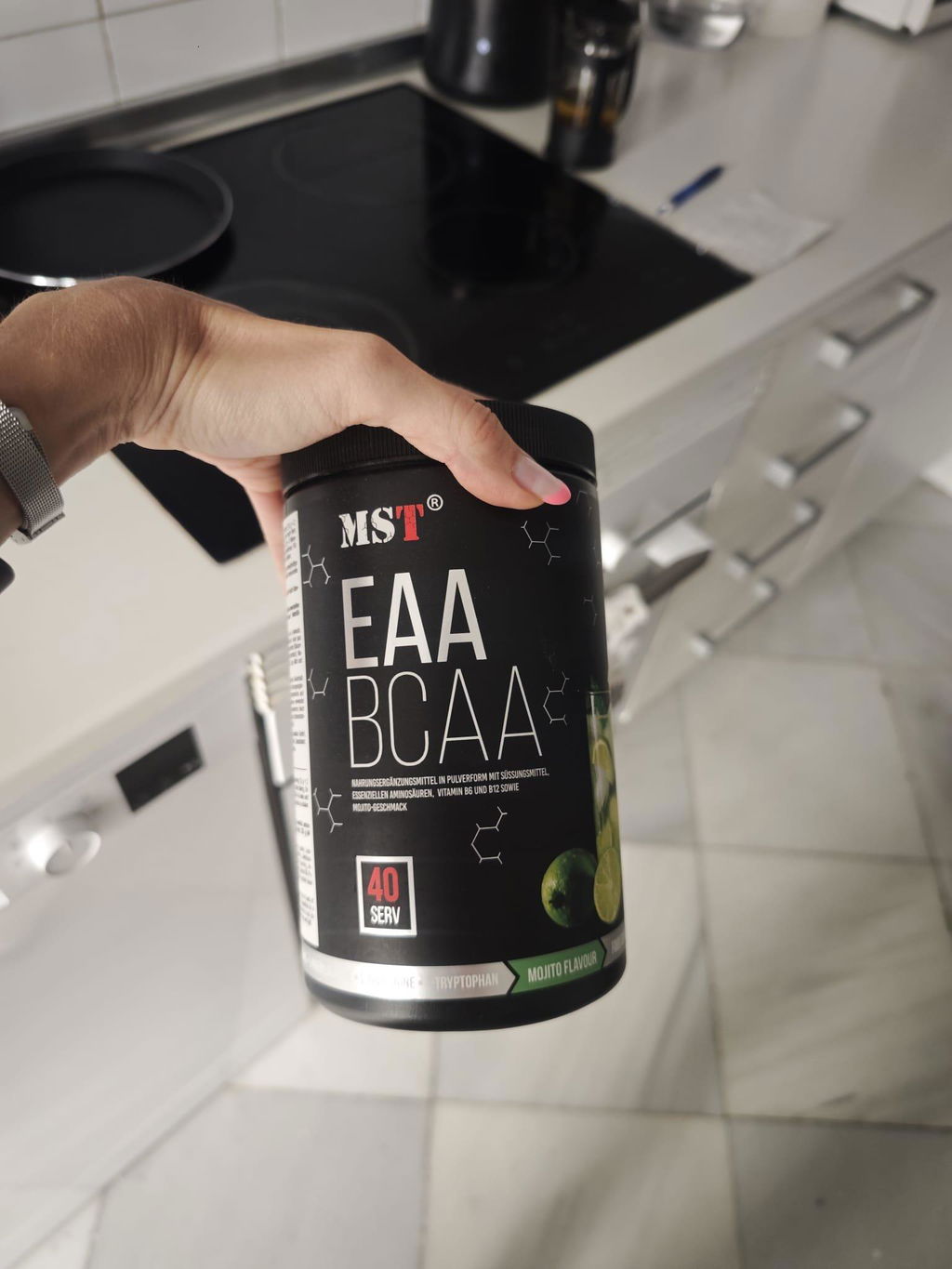
A veces también se mencionan combinaciones con beta-alanina o BCAA.
Efectos secundarios de la creatina
Deshidratación (falta de líquidos)
Aunque externamente puedas parecer más «hinchado», una ingesta insuficiente de líquidos puede causar problemas. Por eso: bebe suficiente agua.
Molestias gastrointestinales
Un problema frecuente son las molestias gastrointestinales, como la hinchazón o la diarrea. Suele ocurrir con una dosis demasiado alta o cuando la porción es demasiado grande de una sola vez.
Si ocurre: reduce la dosis a la mitad o distribúyela en porciones más pequeñas.
Calambres
Algunas personas informan de calambres. A menudo, esto está relacionado con el equilibrio de líquidos y electrolitos. Bebe suficiente agua y presta atención a los electrolitos.
Orinar con más frecuencia
Puede aumentar la necesidad de orinar, especialmente si se bebe más. Además, el cuerpo puede eliminar líquidos de forma diferente a lo largo del día y la tarde.
Creatina y hormonas
Respecto a la cuestión de la «influencia sobre el equilibrio hormonal masculino»: por lo general, la creatina no se describe como una sustancia con efectos hormonales directos. Los cambios en el entrenamiento (mayor intensidad) pueden influir indirectamente en el conjunto de factores, pero lo decisivo son el entrenamiento, el sueño y la recuperación.
Creatina y pérdida de peso
Otro malentendido: la creatina «impide» adelgazar.
La creatina no impide perder grasa. Durante una dieta, incluso puede ser útil, ya que permite mantener mejor el rendimiento en el entrenamiento. Mientras se toma, la báscula puede mostrar un peso diferente debido a la retención de líquidos. Al dejar de tomarla, el equilibrio de líquidos suele normalizarse.
Experiencias y opiniones sobre el monohidrato de creatina
La creatina recibe opiniones mayoritariamente positivas. Muchos usuarios mencionan:
-
más fuerza,
-
mejor rendimiento en el entrenamiento,
-
mejor recuperación.
Algunas personas notan una ligera retención de líquidos. Con una dosis adecuada y una ingesta suficiente de líquidos, el monohidrato de creatina es uno de los suplementos más populares en el ámbito del fitness.