
Zinc en los alimentos: ¿por qué es importante?
El zinc es un oligoelemento esencial que desempeña un papel clave en el sistema inmunitario, la cicatrización de heridas, la salud de la piel y el metabolismo. Como el organismo no puede producir zinc por sí mismo, debe obtenerlo a través de la alimentación o de complementos alimenticios.
¿Qué es el zinc?
El zinc participa en más de 300 procesos enzimáticos, entre ellos la regulación del metabolismo, el apoyo a las defensas inmunitarias y la reparación de tejidos. Los estudios demuestran que una ingesta adecuada de zinc fortalece el sistema inmunitario, favorece la salud de la piel y contribuye a la división celular.
Estudio: un estudio publicado en el American Journal of Clinical Nutrition demuestra que una ingesta regular de zinc reduce el riesgo de infecciones en las personas mayores. (Fuente AJCN)
Dosis diaria recomendada:
- Hombres: 10 mg
- Mujeres: 7 mg
Fuente: Sociedad Alemana de Nutrición (DGE)
Alimentos con alto contenido de zinc
El zinc está presente en muchos alimentos, aunque los productos de origen animal presentan la mayor concentración.
Fuentes animales de zinc
- Carne: carne de vacuno, carne de cerdo y aves de corral.
- Pescado y marisco: las ostras contienen hasta 20 mg de zinc por cada 100 g y se encuentran entre las mejores fuentes naturales de zinc.
- Productos lácteos: el queso, el yogur y la leche contienen cantidades moderadas de zinc.
Estudio: Según una publicación en el Journal of Trace Elements in Medicine and Biology, las fuentes animales de zinc se absorben mejor porque no contienen fitatos. (Fuente sobre oligoelementos)
Fuentes vegetales de zinc
- Frutos secos y semillas: semillas de calabaza, semillas de girasol y anacardos.
- Legumbres: Lentejas, garbanzos y judías.
- Cereales integrales: Copos de avena, quinoa y pan integral.
Consejo: El zinc de origen vegetal se absorbe peor debido al ácido fítico. Remojar, germinar o fermentar los alimentos puede aumentar su biodisponibilidad.
Estudio: Una investigación publicada en Nutrients Journal destaca que el procesamiento de los alimentos de origen vegetal mejora la absorción del zinc. (Fuente: Nutrients)
Beneficios del zinc
- Fortalecimiento del sistema inmunitario: El zinc ayuda a combatir los virus y las infecciones. Un estudio publicado en Frontiers in Immunology muestra que la deficiencia de zinc aumenta la susceptibilidad a las infecciones virales. (Fuente de inmunología)
- Piel y cabello saludables: El zinc acelera la cicatrización de las heridas y ayuda con el acné y la caída del cabello. Los estudios demuestran que el zinc reduce los procesos inflamatorios del acné. (Fuente de dermatología)
- Aumentar la fertilidad: En los hombres, el zinc mejora la calidad del esperma; en las mujeres, el equilibrio hormonal.
- Apoyo al metabolismo: Es necesario para el metabolismo de los carbohidratos, las grasas y las proteínas.
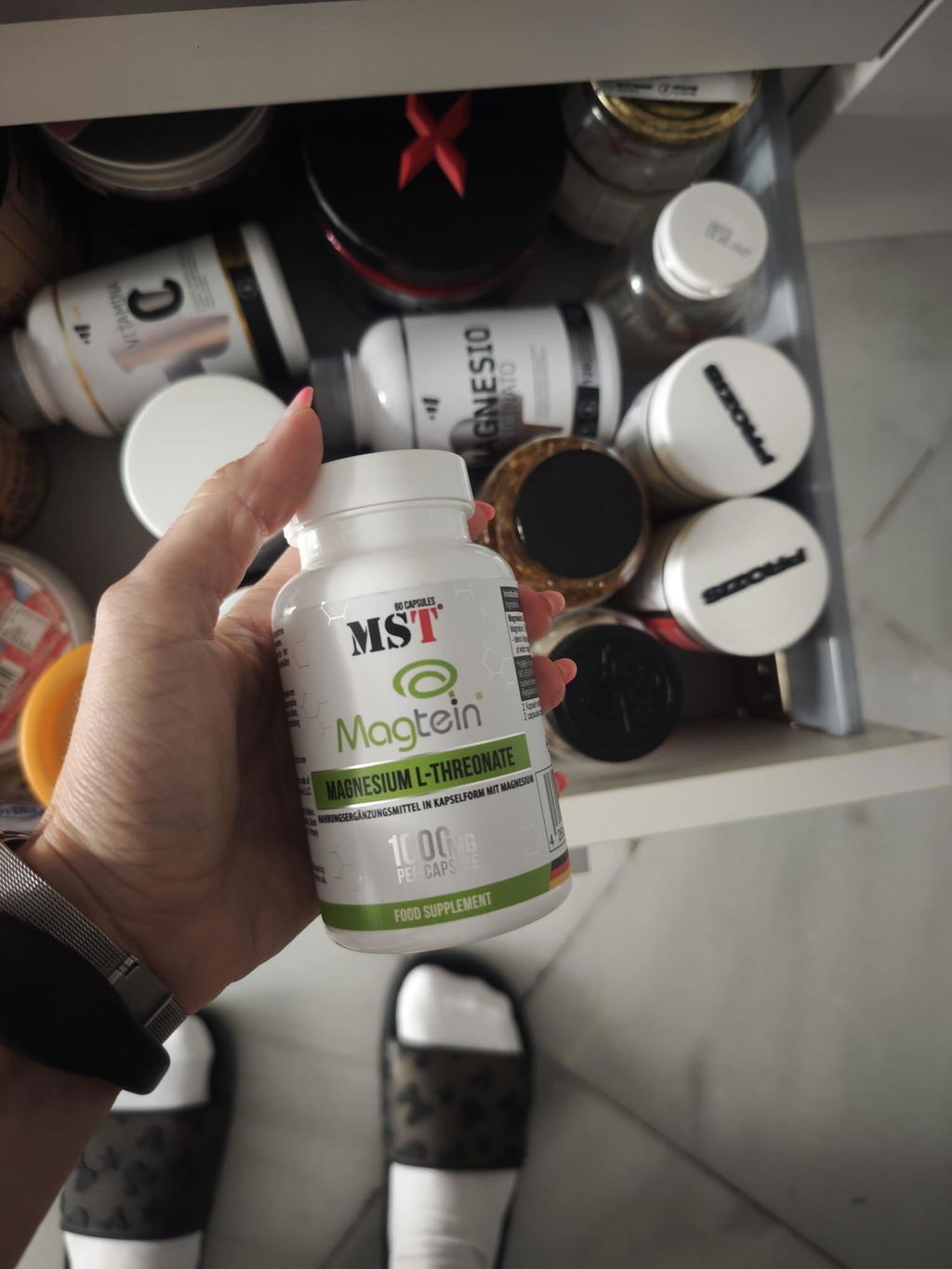
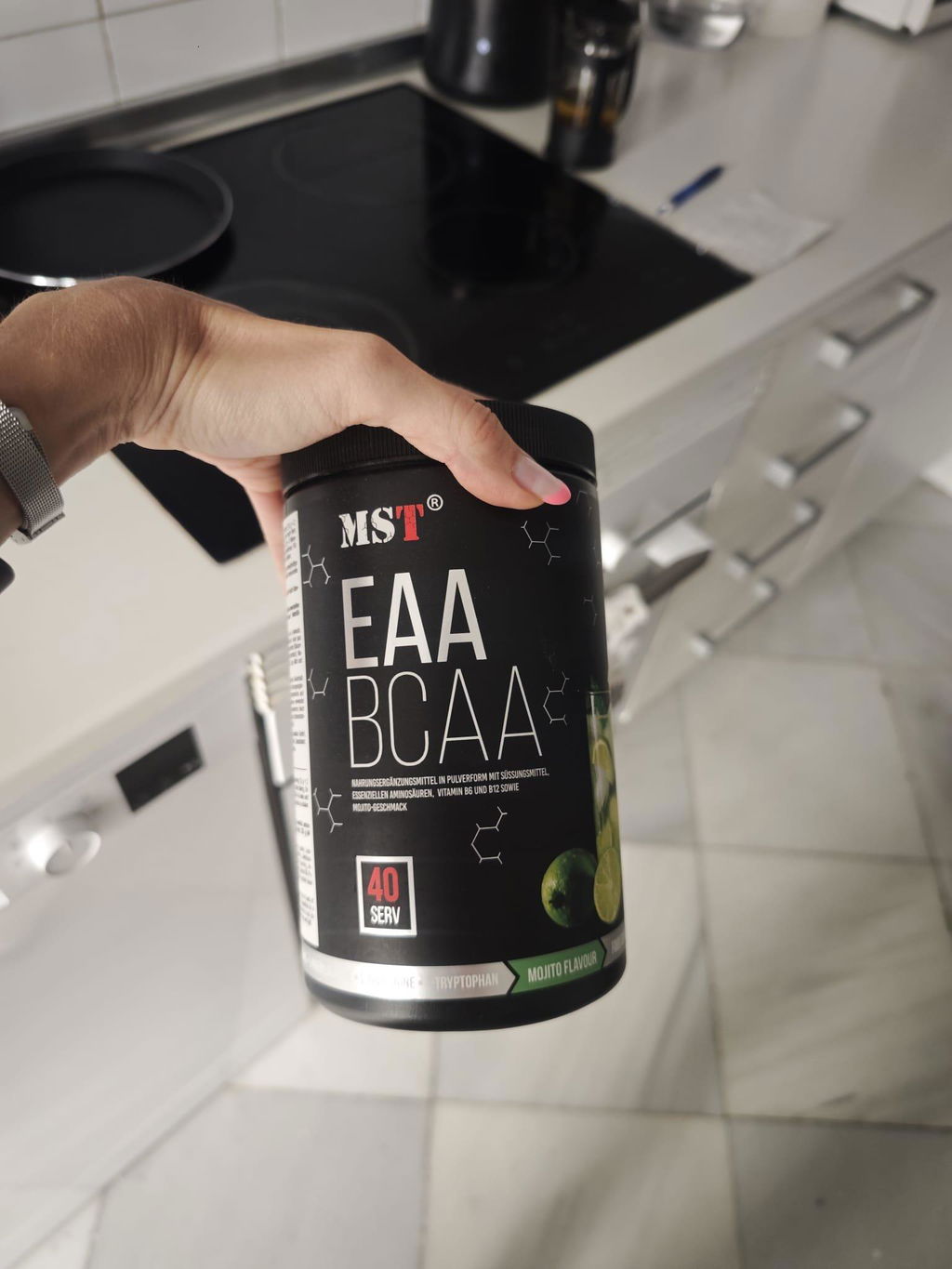
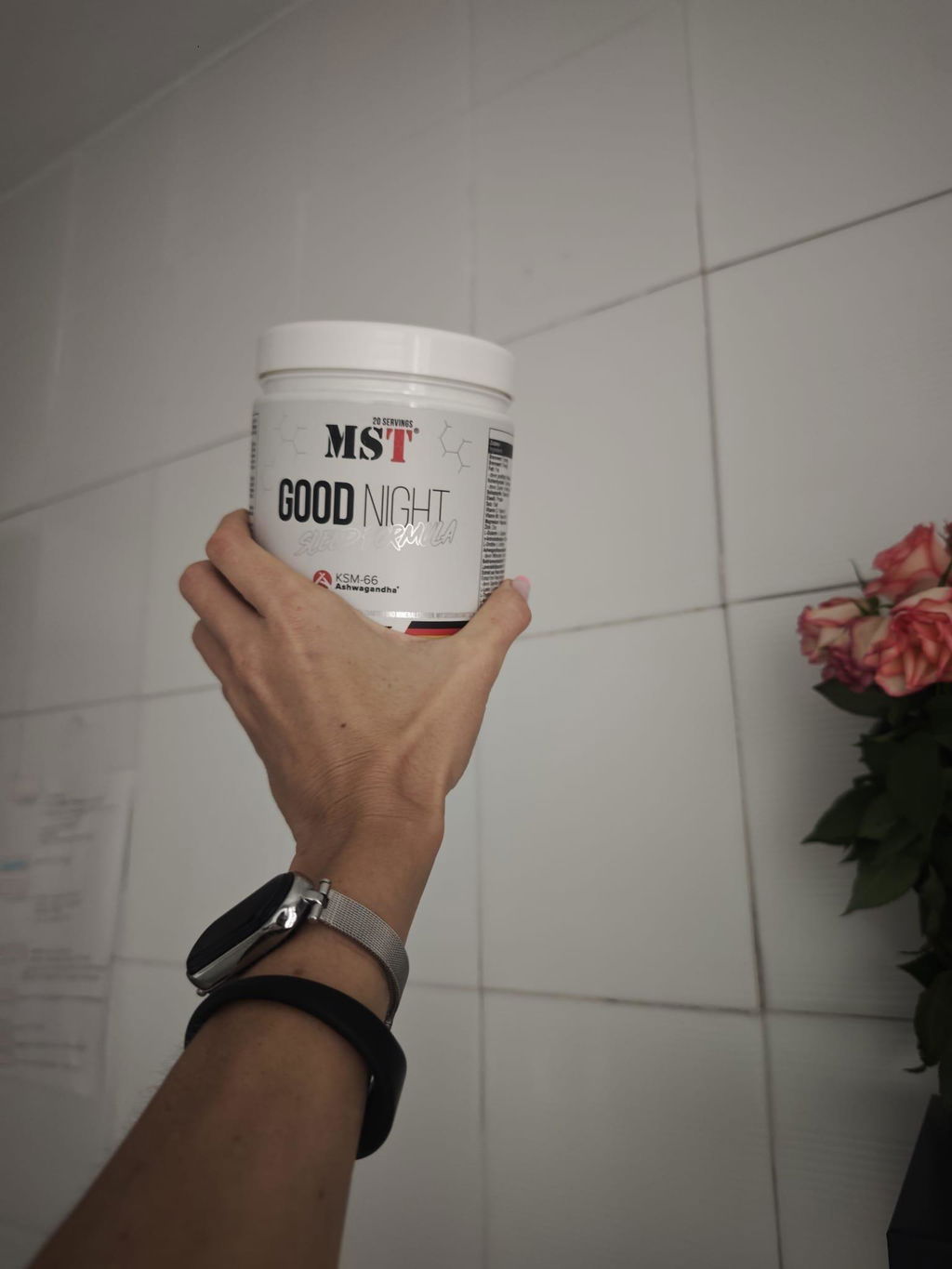
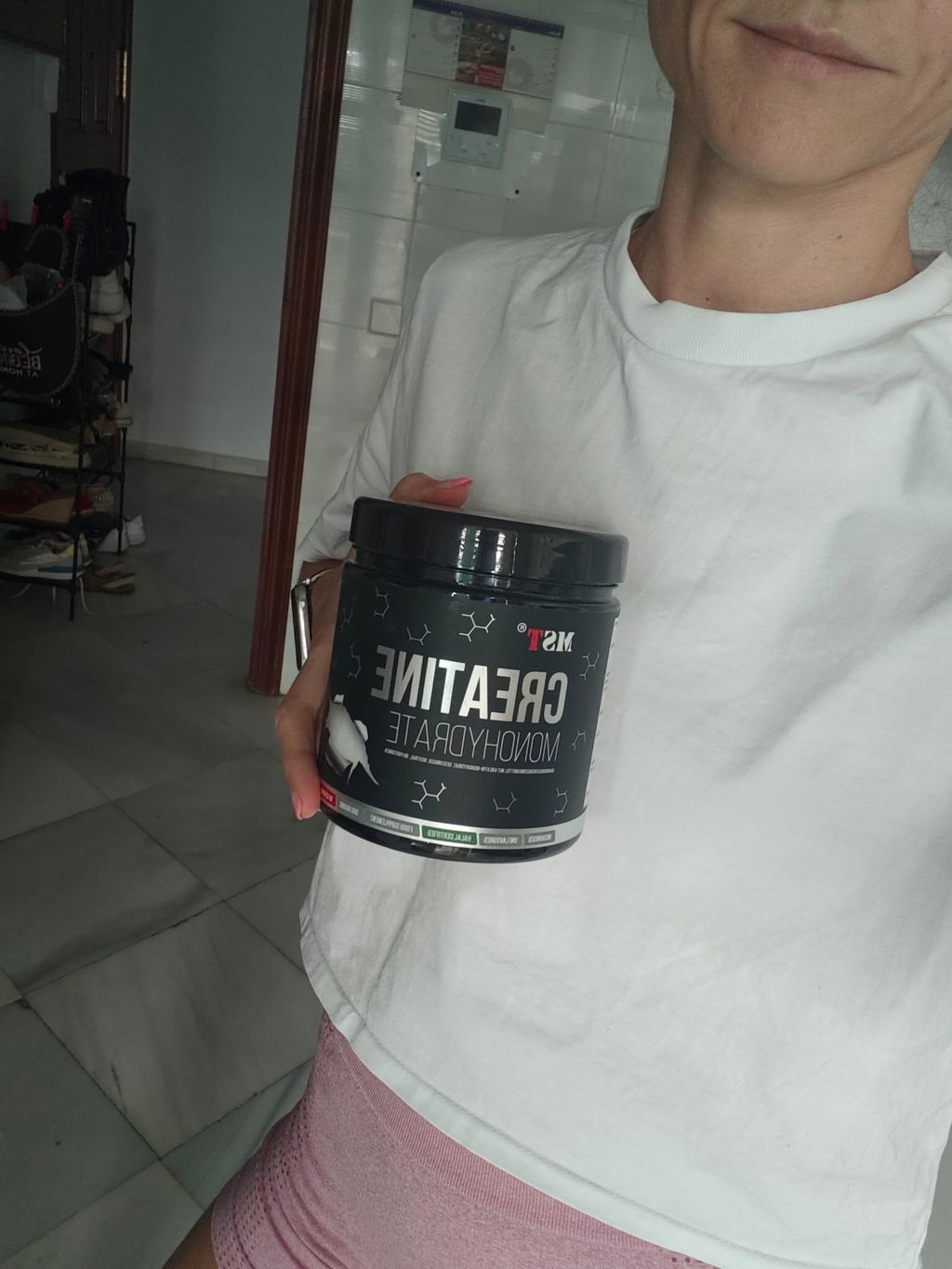
Complementos alimenticios de zinc: MST Nutrition
Cuando resulta difícil obtener suficiente zinc a través de la alimentación, los complementos alimenticios pueden ser una solución eficaz.
Productos de zinc recomendados de MST Nutrition:
- Apoya el sistema inmunitario y favorece la salud de la piel.
- El picolinato de zinc tiene una biodisponibilidad especialmente alta.
Estudio: Las investigaciones publicadas en Nutrition Research Reviews confirman la alta biodisponibilidad del zinc picolinato. (Fuente de NRR)
- Contribuye a la salud de la piel, las uñas y el cabello.
- Esta forma de zinc se tolera bien a nivel estomacal.
Estudio: Los estudios demuestran que el zinc bisglicinato ofrece una alta absorción y buena tolerabilidad. (Fuente sobre quelatos)
- Combinación de zinc, magnesio y vitamina B6 para contribuir al buen funcionamiento del sistema nervioso.
Estudio: Esta combinación puede mejorar la calidad del sueño y reducir el estrés. (Fuente del estudio sobre el sueño)
¿Cómo deben tomarse los complementos de zinc?
- Dosis recomendada: 10–25 mg diarios.
- Cuándo tomarlo: Preferiblemente con una comida para evitar la irritación estomacal.
- Evitar la sobredosis: No supere los 40 mg diarios para prevenir efectos secundarios como náuseas o deficiencia de cobre.
Estudio: Una publicación en el Journal of Nutrition destaca la importancia de una dosificación adecuada para evitar la toxicidad. (Fuente JN)
Conclusión
El zinc es un oligoelemento esencial que puede obtenerse a través de los alimentos o de complementos alimenticios. Los productos de MST Nutrition, como Healthy® Zinc Picolinate, Zinc Chelate Bisglycinate y Zinc B6 Magnesium, son excelentes opciones para cubrir las necesidades de zinc. Siga la dosis recomendada y consulte a un médico si es necesario.