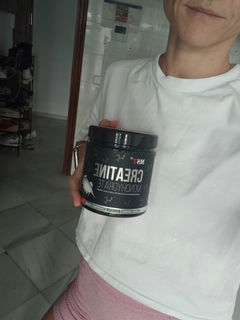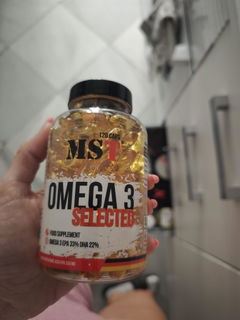


Absolut fantastischer Geschmack, löst sich perfekt ohne Klumpen auf und der Versand war extrem schnell — vielen Dank an den Berater für die tolle Empfehlung! 📦
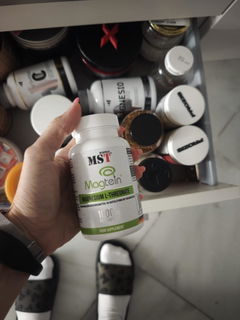
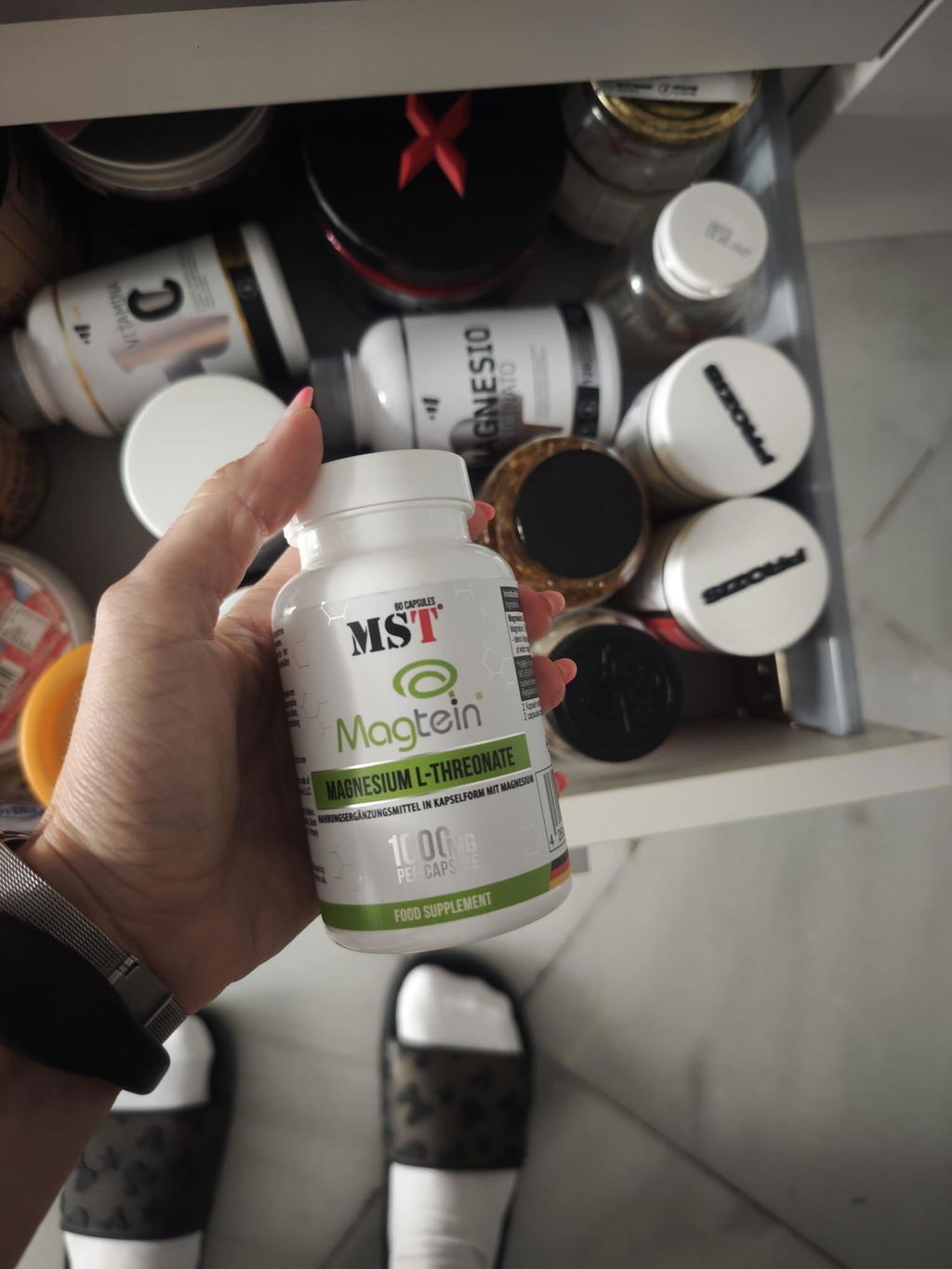
El magnesio es un básico que recomiendo mucho, y el Magtein es de mis formas favoritas. Lo tomo por la noche como parte de mi rutina para desconectar. Contribuye a disminuir el cansancio y la fatiga y al funcionamiento normal de los músculos, algo clave con mi ritmo de entrenos y peques. Cápsulas fáciles de tomar y sin molestias. Con mi código SANDRA tienes un 10% de descuento 💗
Magnesium is a basic I recommend a lot, and Magtein is one of my favourite forms. I take it in the evening as part of my wind-down routine. It contributes to the reduction of tiredness and fatigue and to normal muscle function, which is key with my training schedule and kids. Easy-to-take capsules with no discomfort.
Use my code SANDRA for 10% off 💗
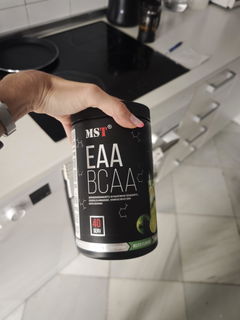
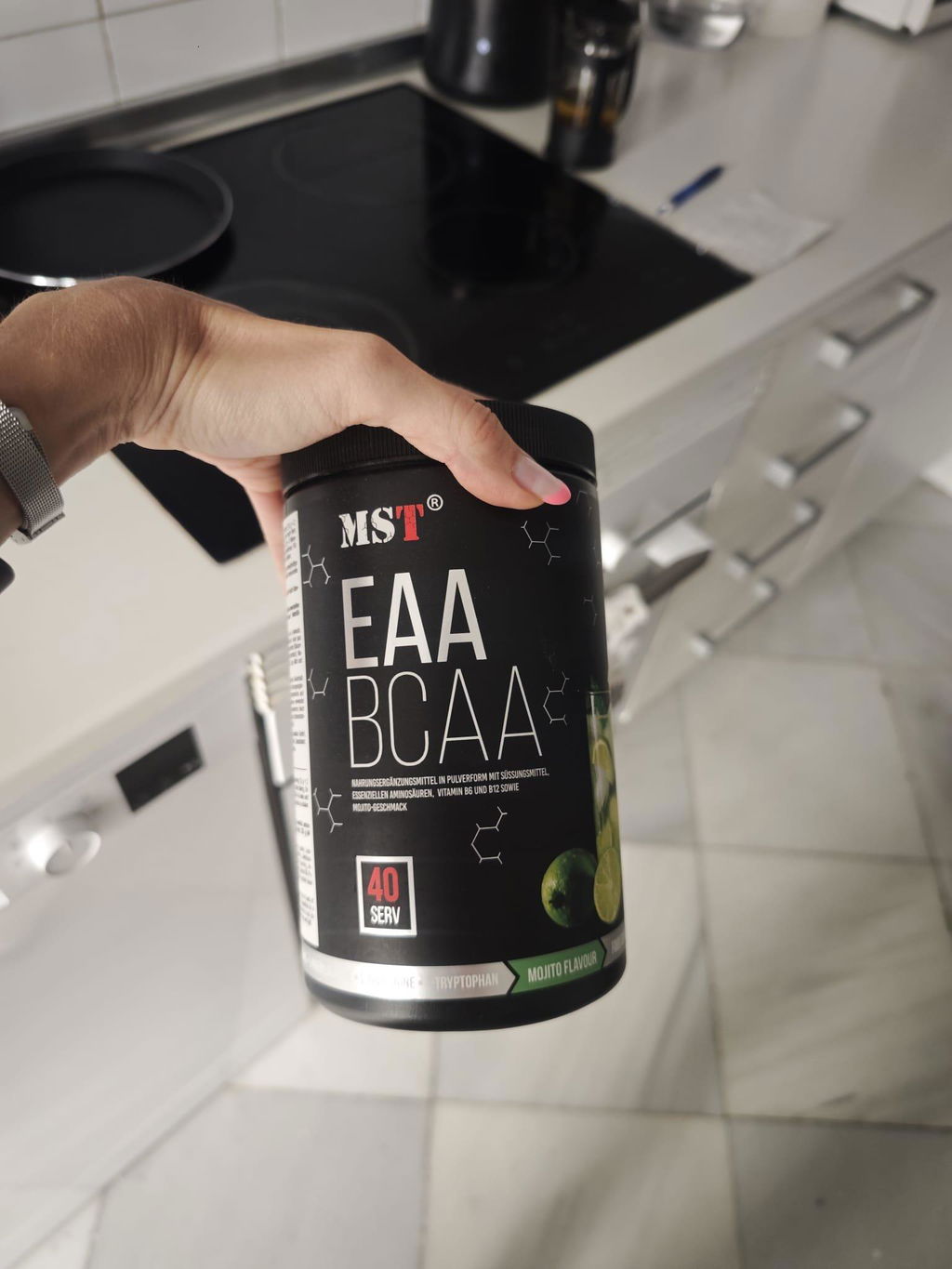
Fresquito, con su toque de lima y menta, y nada empalagoso. Se disuelve fácil y lo bebo durante el entreno para mantenerme hidratada sin aburrirme del agua. En fase de dieta me encanta porque me quita el antojo de algo dulce 🍹 Con mi código SANDRA tienes un 10% de descuento 💗
Refreshing, with a hint of lime and mint, and not too sweet. It mixes easily and I sip it during my workouts to stay hydrated without getting bored of plain water. During diet phases I love it because it satisfies my sweet cravings 🍹 Use my code SANDRA for 10% off 💗
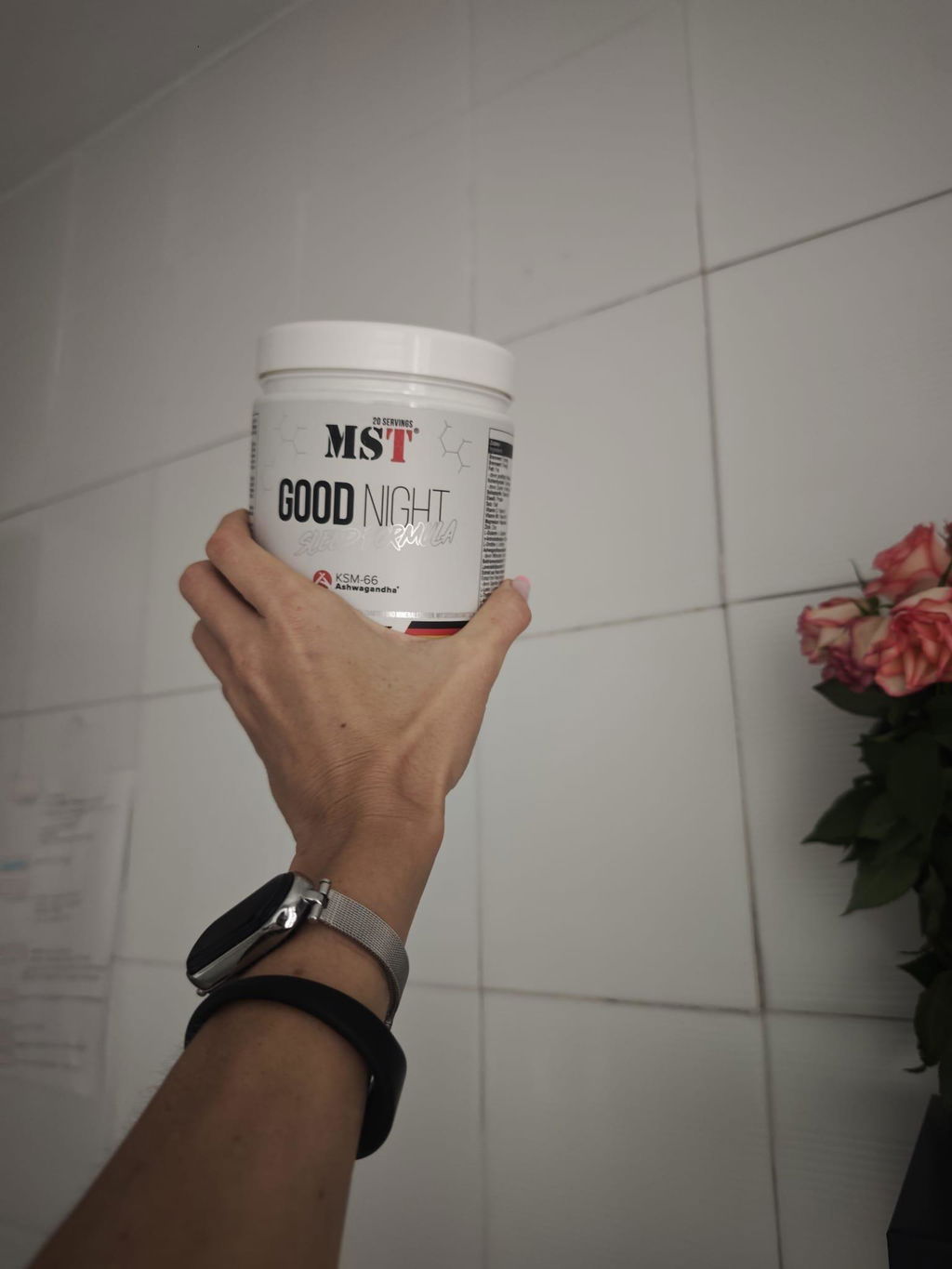
Entre entrenos, clientas y peques, mis días terminan tarde y el descanso es sagrado para mí. Lo tomo antes de dormir como parte de mi rutina para desconectar. Cápsulas fáciles de tomar y muy cómodas para el día a día. Dormir bien también es parte del progreso 🌙 Con mi código SANDRA tienes un 10% de descuento 💗
Between training, clients and kids, my days end late and rest is sacred to me. I take it before bed as part of my wind-down routine. Easy-to-take capsules and super convenient for everyday use. Good sleep is part of progress too 🌙 Use my code SANDRA for 10% off 💗